Book Appointment
Dental hygiene Brno

Dental hygiene as the basis of a healthy smile

Dental hygiene is regular professional care of teeth and gums that removes plaque, tartar and pigmentation. It helps prevent tooth decay, gingivitis and periodontitis and keeps teeth clean, healthy and aesthetic. It is suitable for anyone who wants to protect their teeth in the long term and avoid the need for procedures in the dentist’s chair.

Book Appointment
M2Stoma ordinacia 17 1536x1024.jpg

What does dental hygiene include?

Professional care for teeth and gums

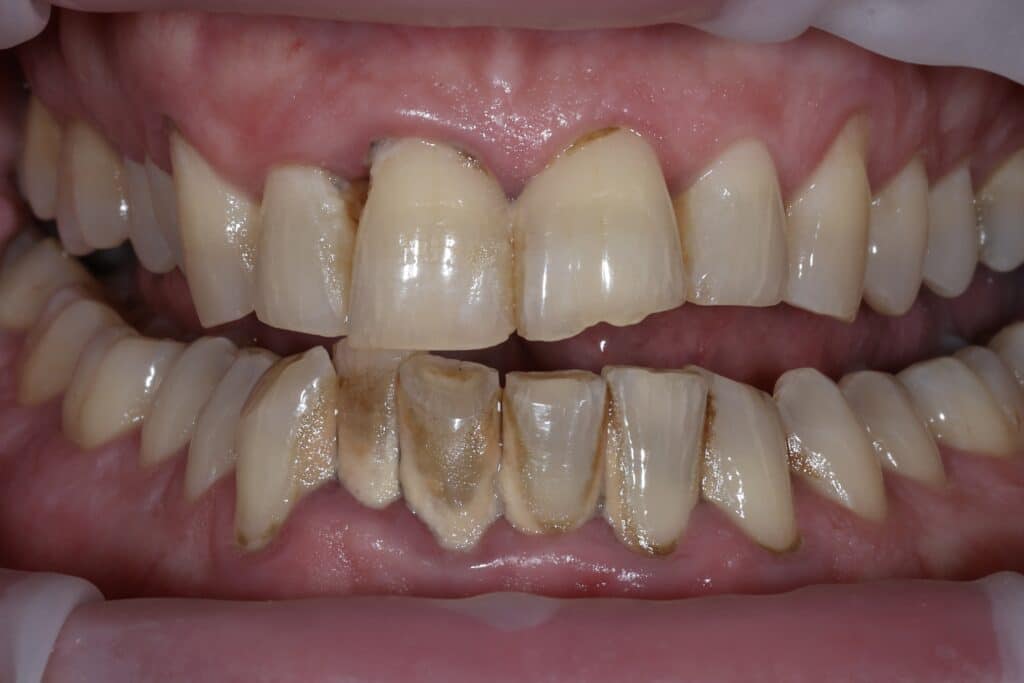
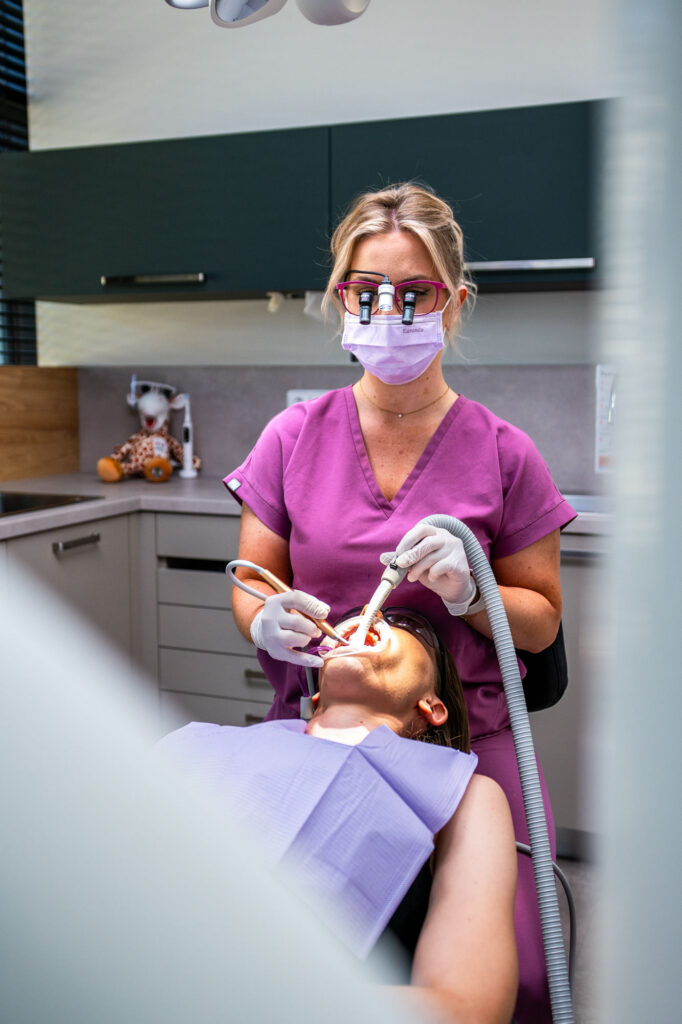
Dental hygiene is a professional cleaning of teeth and gums that removes tartar, plaque and pigmentation while helping to prevent cavities and gingivitis. During the treatment, ultrasonic and manual instruments are used to remove hard tartar, AirFlow sandblasting to remove pigmentation, and teeth are polished to make them smooth and less prone to new deposits. The visit also includes home care instructions , where the patient receives advice on how to properly clean teeth and interdental spaces and how to use brushes, floss or other aids for long-term dental protection.

Quality dental hygiene is the foundation of healthy teeth – no dental work, whether it’s fillings, crowns or implants, can be functional in the long term without regular and proper care of your teeth and gums.

Good dental health and a high level of dental hygiene are also essential if you are planning to whiten your teeth , as removing plaque and tartar will ensure an even whitening effect.

Dental hygiene is suitable for patients who:
want to prevent cavities and gum disease
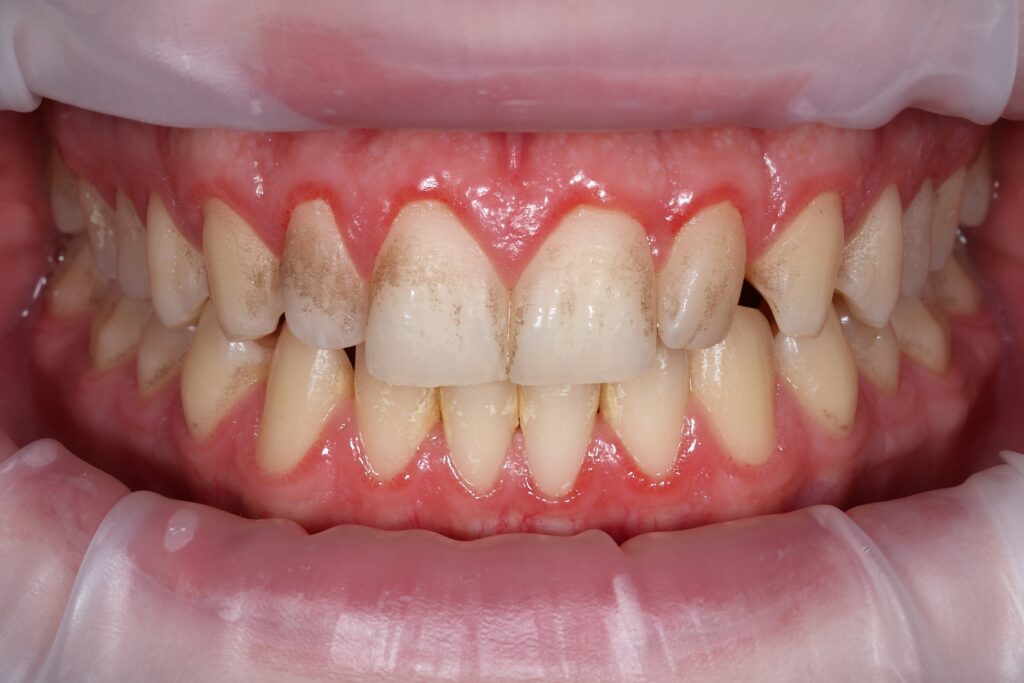
have tartar, plaque or pigmentation
want to keep their teeth clean, healthy and aesthetic
are looking for regular preventive care and advice on home hygiene
M2Stoma ordinacia 2 1536x1024.jpg

How dental hygiene is done

Step by step to clean teeth

  1. Examination and consultation
    A hygienist or dentist will assess the condition of your teeth and gums, identify plaque, tartar, and pigmentation, and recommend an appropriate course of action.
  2. Ultrasonic and manual tartar removal
    Tartar and plaque are removed with ultrasonic and fine manual instruments without damaging the enamel or gums.
  3. AirFlow sandblasting and polishing of teeth
    Using the AirFlow device, pigmentation is removed and the tooth surface is smoothed to slow down plaque buildup and give the teeth a smooth and clean appearance.
  4. Fluoridation and protective care
    Finally, a fluoride gel or varnish is applied, which strengthens the enamel and helps prevent cavities.
  5. Instruction and home care
    The hygienist will advise you on how to properly clean your teeth and interdental spaces, recommend suitable tools and the interval between visits for long-term protection of your teeth.

Dental hygiene price

Investing in a beautiful smile

Introductory dental hygiene
1 920 CZK Kč
Check-up dental hygiene 30min
1 190 CZK Kč
Dental hygiene check-up 45min
1 590 CZK Kč
Dental hygiene check-up 60min
1 920 CZK Kč
Teeth whitening from
6,650 CZK Kč

Vraťte si zdravý úsměv a jistotu v každém dni

Objednejte se na implantologickou konzultaci a zjistěte, jaký postup je vhodný právě pro vás

Book Appointment
Image 2 min.jpg

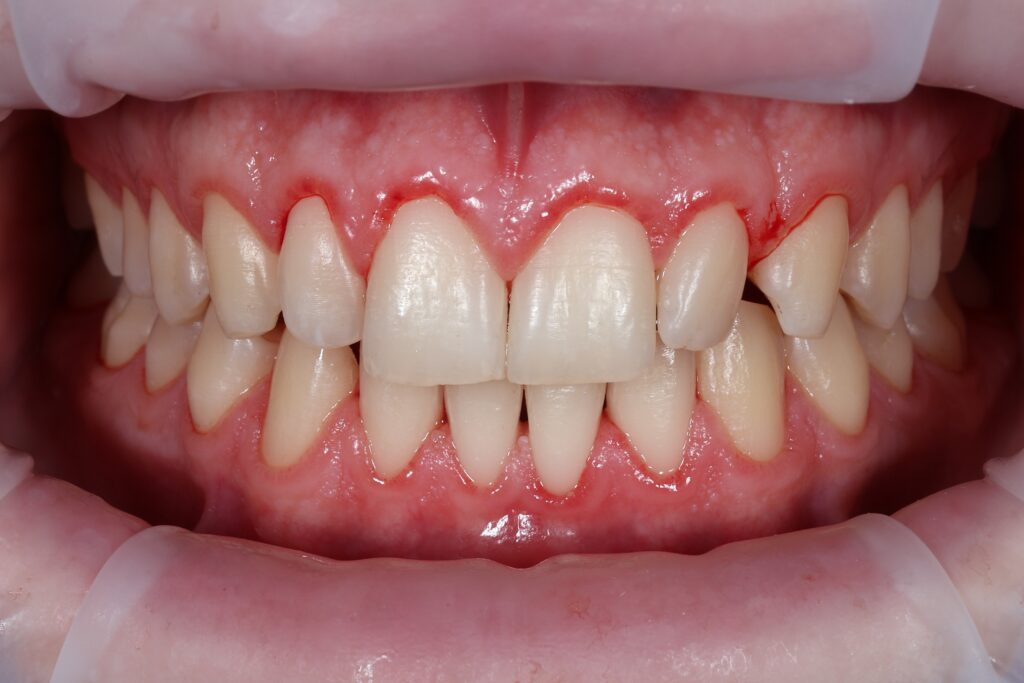
Check out our dental hygiene transformations
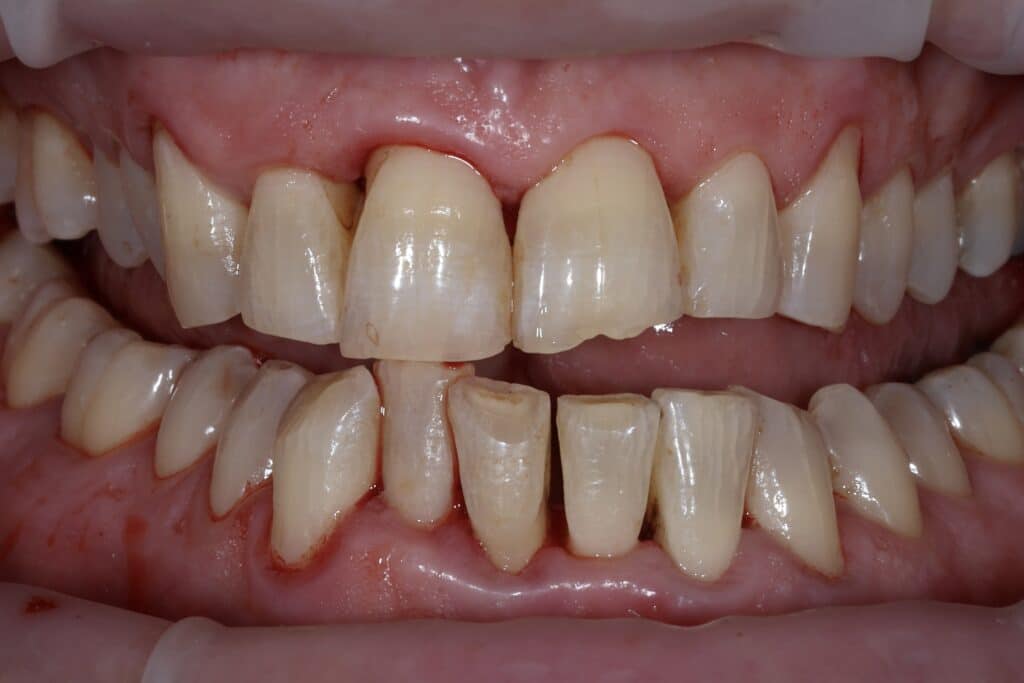
Before
After

Frequently asked questions

No. The procedure is performed under local anesthesia, so you will not feel any pain during the procedure. After the procedure, you may experience some mild swelling or tenderness, which usually subsides within a few days.

With proper care and regular check-ups, an implant can last for decades – often a lifetime.

From implant placement to crown placement, it usually takes 2-3 months, depending on individual healing.

Maintenance is the same as for your own teeth – regular cleaning, dental hygiene and check-ups at the dentist. This is what will ensure that the implant lasts as long as possible.

With early diagnosis and proper treatment, the inflammation can be stopped and the condition of the gums and bone can be stabilized. Advanced damage cannot always be completely reversed, but its progression can be significantly slowed down and your own teeth can be preserved.

The treatment is usually performed under local anesthesia and is gentle. Some patients may experience mild discomfort during deeper root cleaning, but the pain is well controlled.

Warning signs include bleeding when brushing, red or swollen gums, bad breath, loose teeth, or gaps between teeth. Even minor symptoms should be addressed promptly.

With proper care and regular check-ups, a crown or bridge can last 10–20 years or longer.

The tooth preparation and crown placement itself are performed under local anesthesia, so they are painless.

Just like with your own teeth: regular cleaning, interdental brushes, and visits to a dental hygienist or doctor for checkups.