Book Appointment
Microscopic endodontics Brno

Root canal treatment to save your own tooth

Inflammation of the pulp (pulpitis) can cause severe pain and endanger the tooth. Endodontics, or root canal treatment, allows the removal of infected tissue, cleaning the canals, and preserving the tooth.

It is suitable for patients who want to keep their own teeth, avoid extraction, and at the same time ensure long-term function of the teeth.

Book Appointment
M2Stoma ordinacia 19 1536x1024.jpg

What is endodontic treatment?

Root canal treatment for a healthy tooth

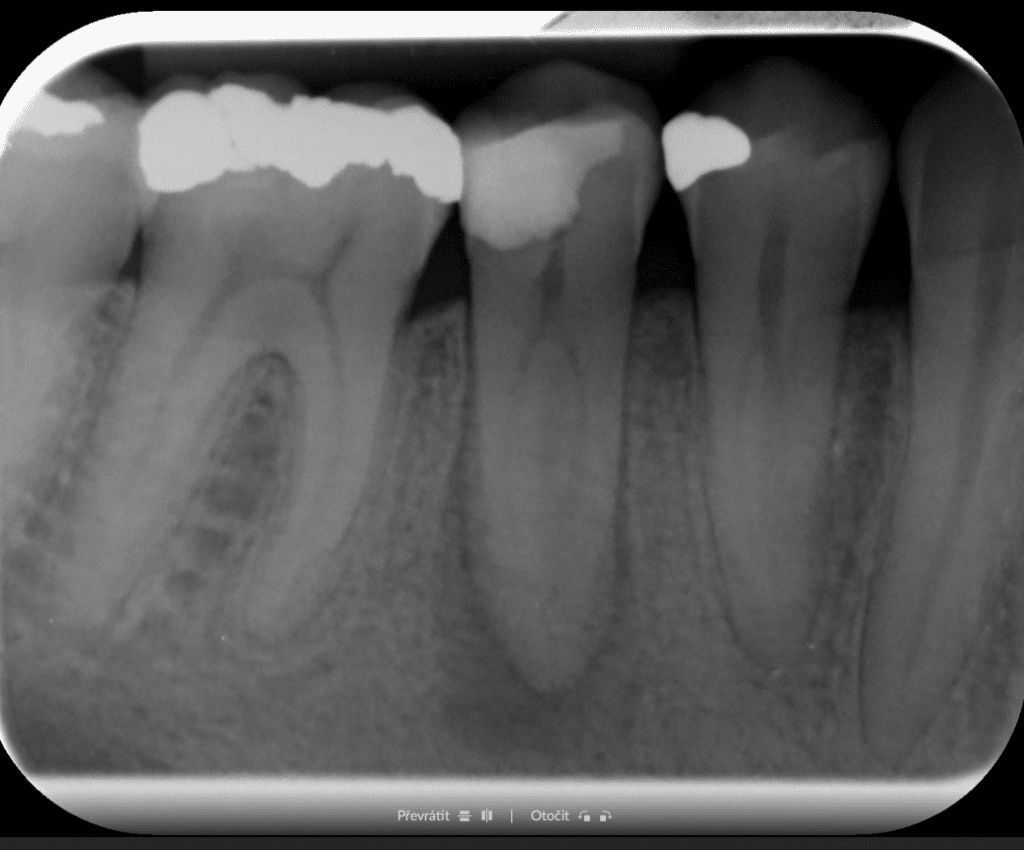
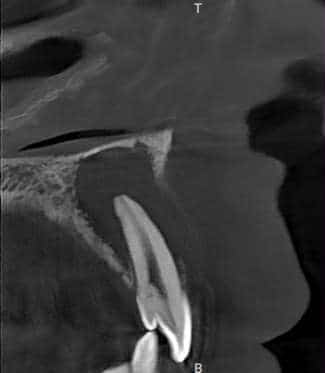
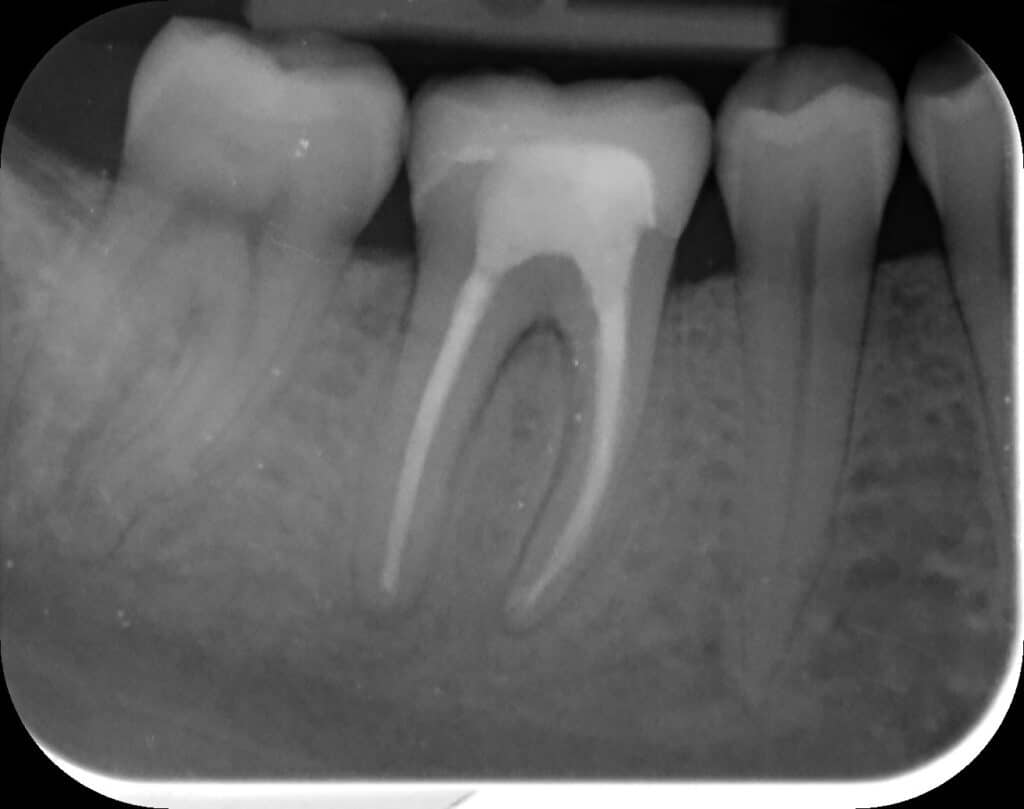
Endodontics focuses on treating damaged or infected dental pulp that could otherwise lead to tooth loss. The procedure involves removing infected tissue, thoroughly cleaning it, and then sealing the canals. The treatment is performed under a microscope , which allows for maximum precision in removing the infection and cleaning the root canals.

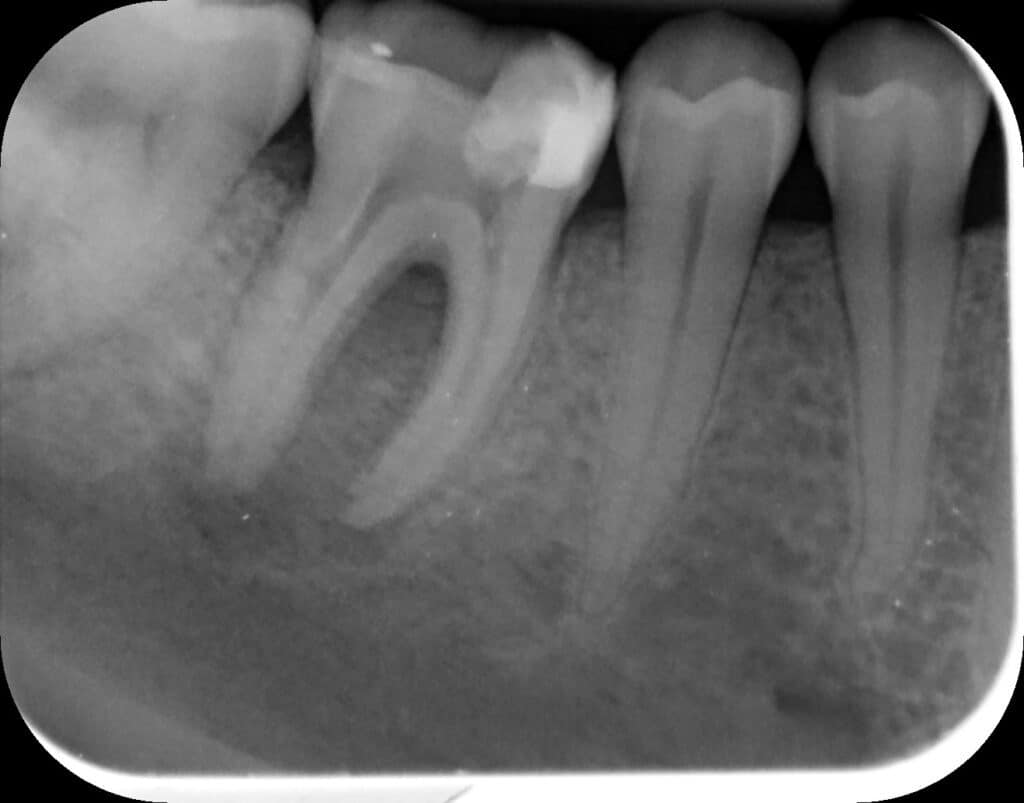
Endodontic care also includes re-endodontics , which is the repeated treatment of a root canal in a tooth that has been previously treated, but infection or complications have caused the problem to return. Re-endodontics helps to save the tooth even if the first treatment was not completely successful.

Endodontics is suitable if:

the tooth has been damaged by tooth decay, injury or a crack
the tooth shows signs of infection or inflammation
you want to keep your own tooth instead of having it extracted
M2Stoma ordinacia 20 1536x1024.jpg

How endodontic treatment is performed

Step by step to a saved tooth

  1. Diagnostics and X-ray
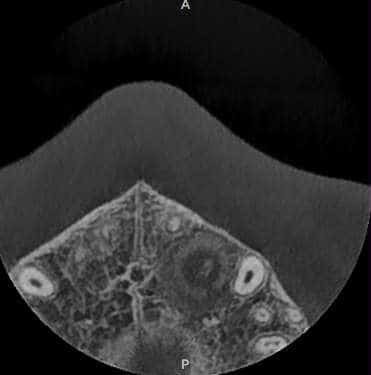
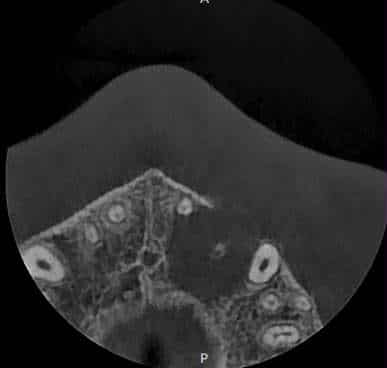
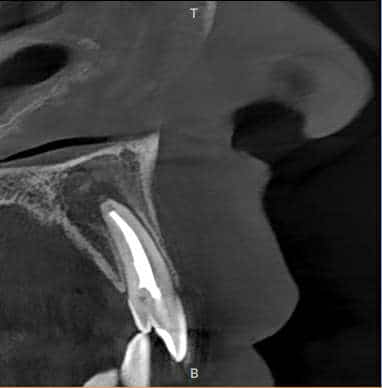
    The doctor will assess the condition of the tooth and root canals, determine the extent of the damage, and prepare a treatment plan.
  2. Root canal treatment:
    Damaged or infected pulp is removed and the canals are cleaned and disinfected. In the case of re-endodontics, the old filling is removed and a new cleaning is performed.
  3. Root canal filling and temporary filling
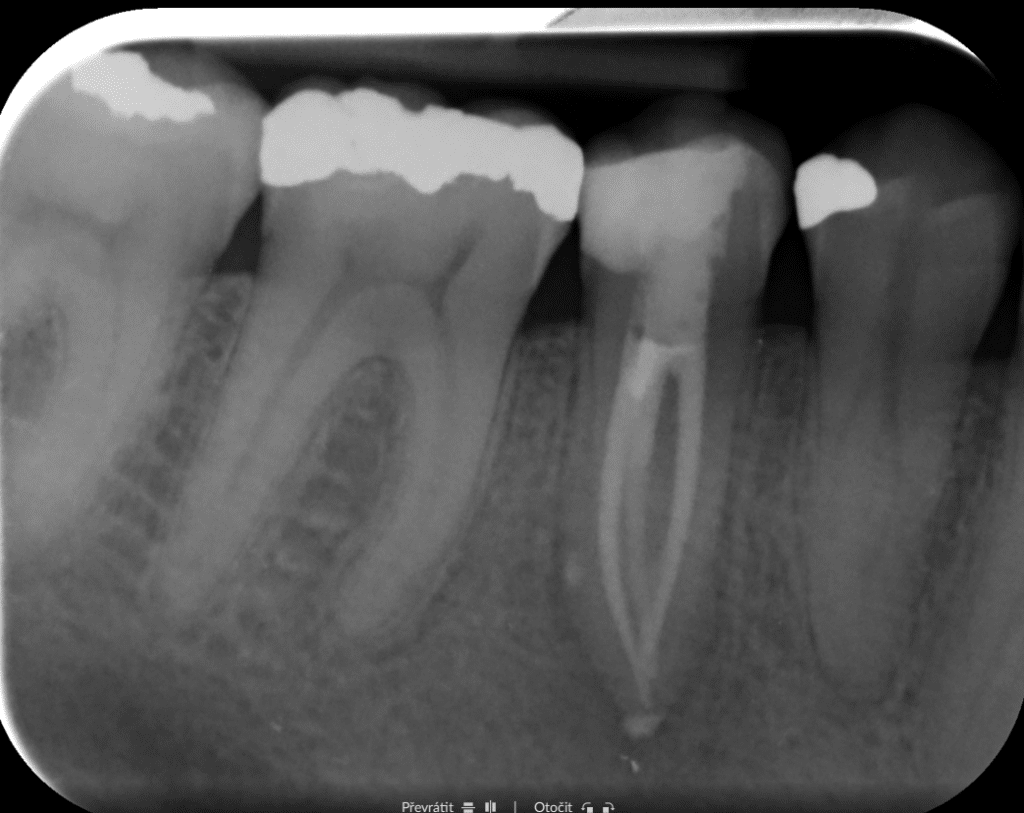
    The root canals are sealed and the tooth is filled with a filling to protect it. This is usually done in one visit , so the patient leaves with the tooth cleaned and sealed.

If the tooth is very weakened, it is recommended to place a dental crown.

Price of endodontic treatment

Investing in preserving your own tooth

The price depends on the number of root canals and the complexity of the treatment.

Endodontic treatment of a tooth
from 6,000 CZK Kč
Re-endodontic treatment of a tooth
from 7,000 CZK Kč

Vraťte si zdravý úsměv a jistotu v každém dni

Objednejte se na implantologickou konzultaci a zjistěte, jaký postup je vhodný právě pro vás

Book Appointment
Image 2 min.jpg

Frequently asked questions

No. The procedure is performed under local anesthesia, so you will not feel any pain during the procedure. After the procedure, you may experience some mild swelling or tenderness, which usually subsides within a few days.

With proper care and regular check-ups, an implant can last for decades – often a lifetime.

From implant placement to crown placement, it usually takes 2-3 months, depending on individual healing.

Maintenance is the same as for your own teeth – regular cleaning, dental hygiene and check-ups at the dentist. This is what will ensure that the implant lasts as long as possible.

With early diagnosis and proper treatment, the inflammation can be stopped and the condition of the gums and bone can be stabilized. Advanced damage cannot always be completely reversed, but its progression can be significantly slowed down and your own teeth can be preserved.

The treatment is usually performed under local anesthesia and is gentle. Some patients may experience mild discomfort during deeper root cleaning, but the pain is well controlled.

Warning signs include bleeding when brushing, red or swollen gums, bad breath, loose teeth, or gaps between teeth. Even minor symptoms should be addressed promptly.

With proper care and regular check-ups, a crown or bridge can last 10–20 years or longer.

The tooth preparation and crown placement itself are performed under local anesthesia, so they are painless.

Just like with your own teeth: regular cleaning, interdental brushes, and visits to a dental hygienist or doctor for checkups.